COVID-19 Response by RSSB Nepal
Following the nationwide lockdown implemented by the Government of Nepal on March 24, 2020 to limit the spread of the Coronavirus, Radha Soami Satsang Beas Nepal mobilized its resources to assist fellow citizens in distress. Although regular Satsangs (spiritual gatherings) were suspended at our centers for safety, the organization remained dedicated to the spirit of Sewa.
Establishment of Holding Centers
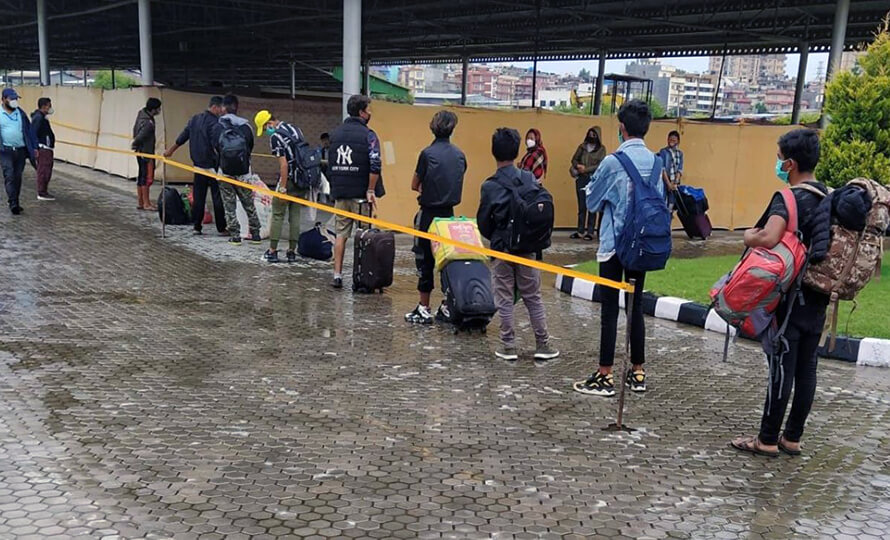
As the crisis deepened, a significant number of Nepalis returned from India and third countries, creating an urgent need for "Holding Centers" to accommodate returnees awaiting PCR test results. In mid-May a government team led by Kathmandu Chief District Officer (CDO) and Police Chief visited the RSSB site in Kirtipur. They requested to utilize the Satsang infrastructure as a "Chautari" (resting place) for returnees. Recognizing that the government’s need aligned perfectly with the organization's desire to serve, permission was granted immediately to convert the centers into holding facilities.
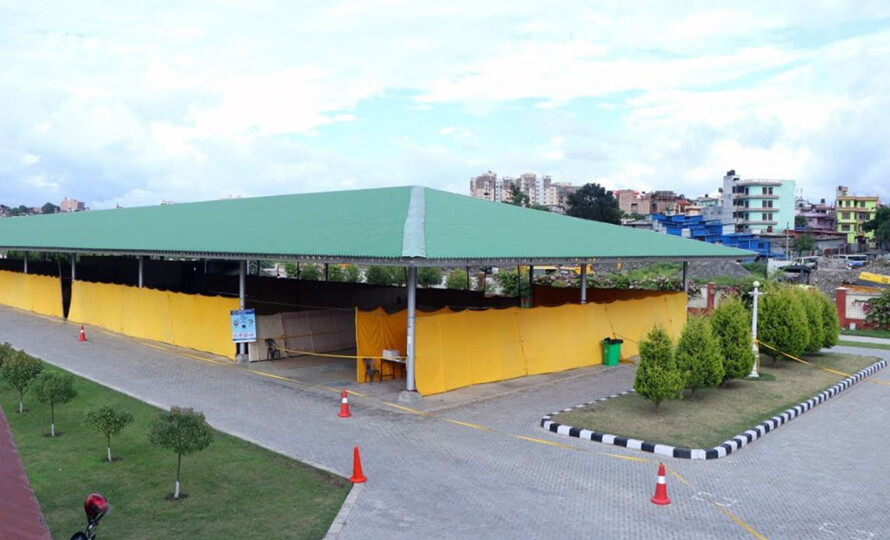
Two primary facilities were activated to serve as holding centers.
Sundarighat (Kirtipur-14): Designated for returnees entering via land borders from India. This facility had a capacity of accommodating approximately 300 individuals.
Samakhusi (Tokha-10): Designated for returnees from third countries. This facility accommodated up to 500 individuals and featured extensive sanitation facilities, including adequate toilets and a fully equipped kitchen.
Policy on Financial Aid and Service
The government had initially allocated a budget of NPR 175.00 per person per meal for those in quarantine. The District COVID-19 Crisis Management Center (DCCMC) offered to provide this funding. However, RSSB Nepal respectfully declined all government financial aid. It was decided that all food and hospitality would be provided free of cost, funded entirely by the voluntary contributions of the Sangat (congregation).
Facilities and Nourishment
To ensure the health and comfort of our guests, the centers provided comprehensive care:
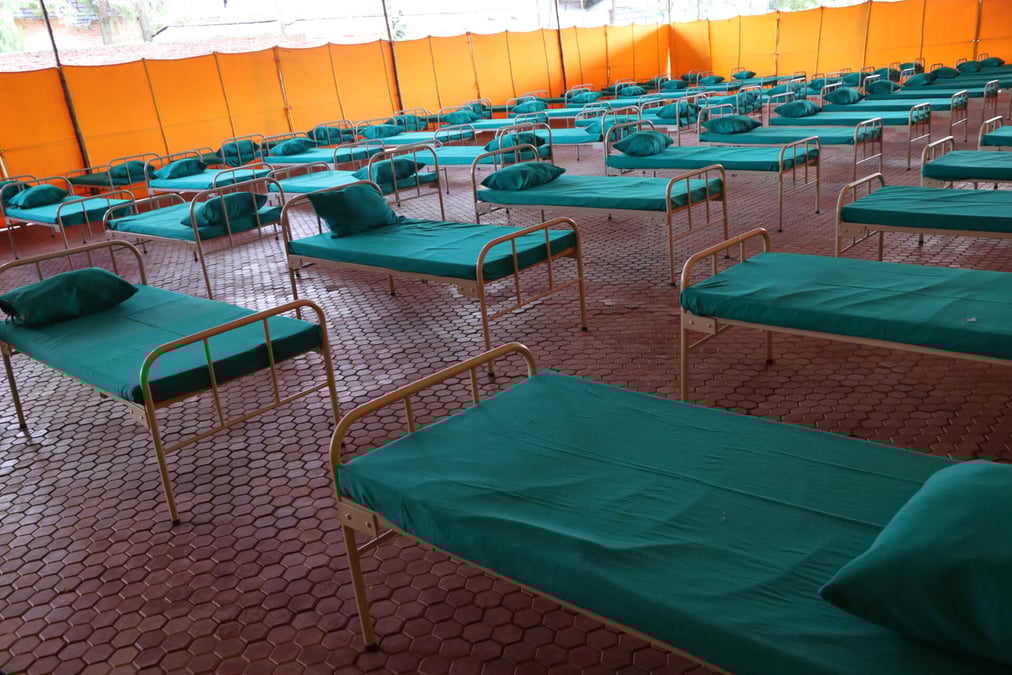
Accommodation: Guests were housed in the Satsang halls and courtyards. While initial arrangements involved floor bedding, the district administration later provided approximately 500 cots that facilitated allowing all guests to sleep on beds.
Immunity Boosting: Warm water, infused with different herbs, was available 24 hours a day, to help boost immunity against colds and flu.
Nutritious Meals: A strict schedule was maintained.
Breakfast: Tea and matthi (a dense, biscuit-like snack prepared in-house).
Lunch: Rice, vegetables, lentils (daal), roti, and pickles. The pickles were prepared in-house using ingredients like mangoes sourced from Butwal, amla sourced from Dolakha, lapsi sourced from Kavre, and lemons sourced from various Satsang centers across the country.
Afternoon Snacks: Tea, matthi (biscuits), and afternoon snacks like roasted chickpeas and roti.
Dinner: A full meal with rice, vegetables, lentils, and pickles. A glass of milk with an option of adding turmeric to those who prefer it.
Hygiene: Environment-friendly plates, bowls, and glasses were used for every meal to maintain high hygiene standards.
Support and Collaboration
The operation was a collaborative effort. While RSSB Nepal managed the food and venue, the Nepal Red Cross Society provided water tanks, soap, and blankets. The Kathmandu Metropolitan City and Nepal Police assisted with sanitizers and additional bedding.
When internal food stocks began to deplete due to the prolonged service, the Government of Nepal facilitated the customs-exempt import of rations worth NPR 3 million, from India.
Nationwide Engagement
Beyond Kathmandu, RSSB Nepal’s infrastructure across the country was utilized to support the national effort. Centers in Mahendranagar, Kailali (Lamki Chuha), Kohalpur, Butwal, Palpa, Pokhara, Chitwan, Hetauda, Janakpur, and others served as quarantine or isolation facilities as needed.
Despite the challenges, volunteers continued to serve with dedication, with Sewadar Jatthas (volunteer teams) arriving from Pokhara, to relieve local volunteers and ensure the continuity of service, at the government’s request.
Government Recognition of Service
The impact of these efforts was formally acknowledged at the highest levels of local administration. On September 10, 2020, during a meeting of the ‘Sub-committee to Study Government Actions on Corona Prevention’ (formed under the Parliamentary Education and Health Committee) at Singha Durbar, the Chief District Officers of the three valley districts and representatives of the Municipal Forum were invited for discussion. During this session, Kathmandu CDO Mr. Janakraj Dahal notably praised the organization, stating that Radha Soami Satsang Beas Nepal had "saved the honor of Kathmandu" through its selfless management of the crisis when resources were scarce and logistical challenges were mounting.
Establishment of Isolation and Oxygen Therapy Center (May 2021)
As the nation grappled with the severe second wave of the pandemic, the focus shifted from simple quarantine to active medical intervention. On May 22, 2021, the Samakhusi Satsang Centre was converted into the "Radha Soami Covid Isolation and Oxygen Therapy Center." Established with financial support from the Kathmandu Metropolitan City, the facility was equipped with 184 beds with 88 of these dedicated to oxygen therapy and 96 for general isolation. To ensure professional medical care, a dedicated team was contracted, comprising two consultant doctors, eight medical officers, 40 nurses, and 24 health attendants.
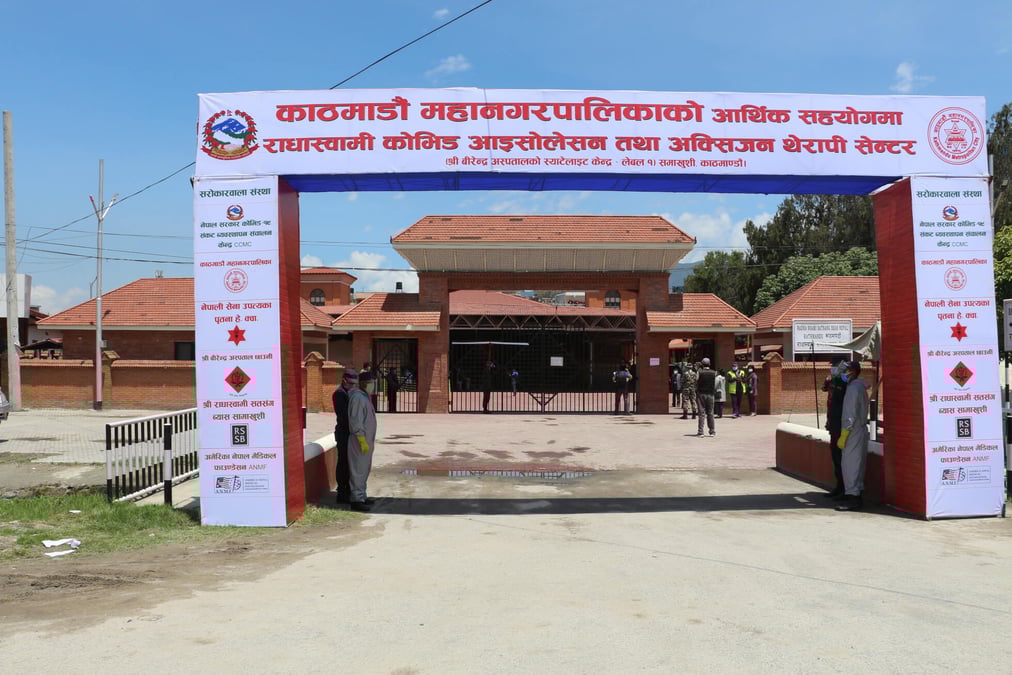
True to its commitment to service, RSSB Nepal took responsibility for the nutritional needs of both the patients and the medical staff. RSSB Nepal provided hygienic meals and warm liquid nourishment several times a day, free of cost. By mid-July, 182 patients had successfully recovered and returned home. The center remained open to all citizens, specifically prioritizing those who lacked the space or financial means to isolate safely at home.
Operation as a COVID-19 Vaccination Hub (July 2021)
Following the isolation services, the Samakhusi infrastructure was utilized to support the national immunization drive. Beginning July 14, 2021, the center operated as a COVID-19 vaccination hub in collaboration with the Nepal Army and Birendra Military Hospital. The drive targeted specific vulnerable groups, including citizens aged 55 and above, educators, public transport workers, and those traveling abroad for employment. On the very first day of operations, 848 individuals received their vaccinations, with the facility continuing to serve hundreds daily in a safe and organized environment.
Humanitarian Aid for Repatriated Citizens from Afghanistan (August 2021)
The organization’s facilities were once again called upon to assist in a national emergency on August 17, 2021. Following the political crisis in Afghanistan, 127 Nepali nationals were evacuated from Kabul by the U.S. government and flown back to Kathmandu. Upon arrival, they were escorted by the Nepal Army to the Samakhusi center. In coordination with government protocols, RSSB Nepal provided holding and quarantine facilities for these returnees. RSSB Nepal ensured they were housed comfortably and provided with all necessary meals and care while they awaited their RT-PCR test results and clearance to reunite with their families.
Click to view photos of RSSB's COVID-19 Response efforts.
In the press
https://www.onlinekhabar.com/2020/09/895419
https://nayapage.com/archives/615947
https://margadarsannews.com/2021/07/15/73214
https://kendrabindu.com/social-affairs/72426/
https://www.youtube.com/watch?v=9Ot0Sxee89o
https://www.youtube.com/watch?v=xSnHjSGCZXw
https://www.youtube.com/watch?v=79dPQalYXjQ